Uncategorized

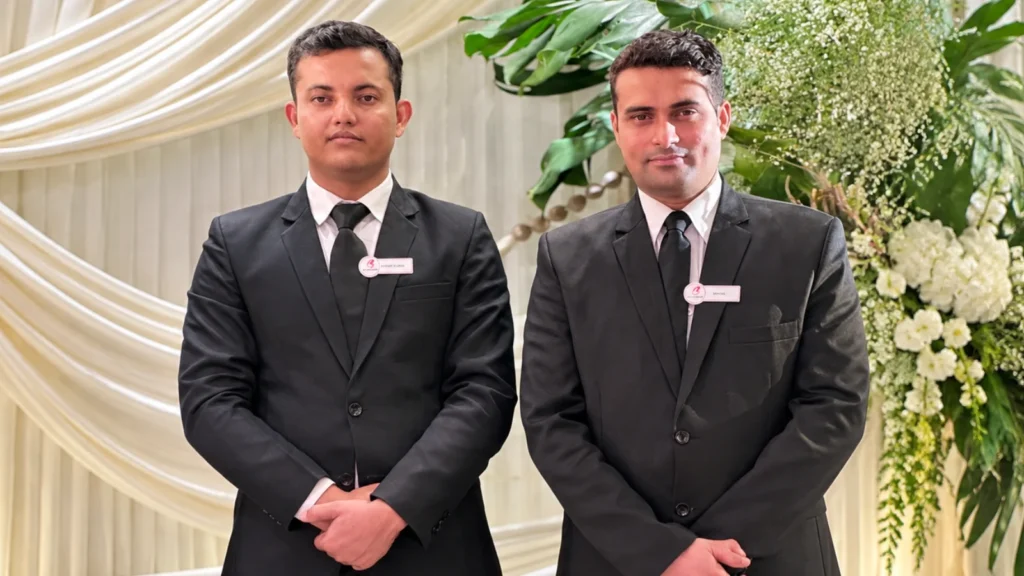
Private Butler for a House Party
Uncategorized

Private Butler for a House Party: What They Do, What It Costs, and How to Hire One

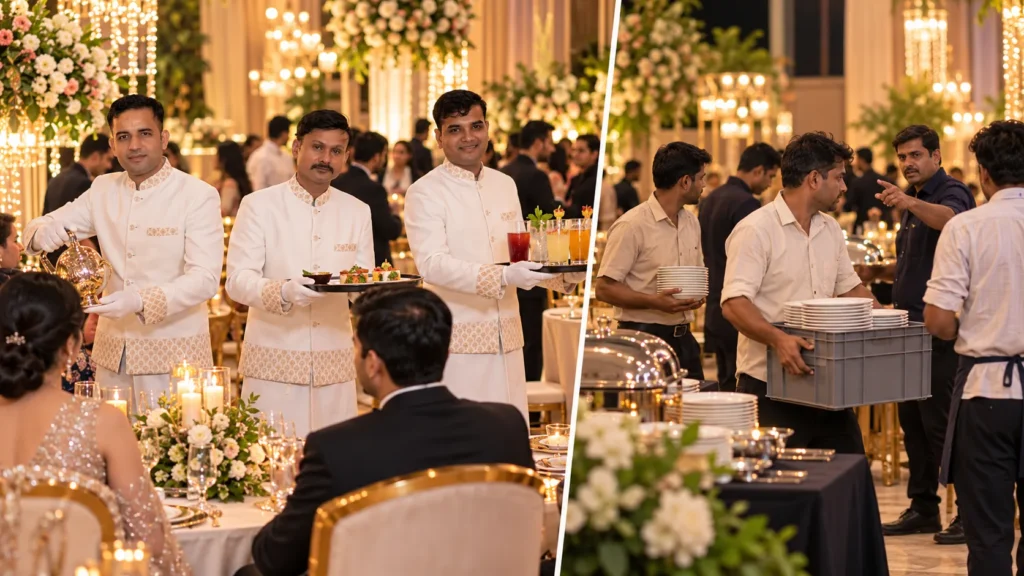
Private Butler for a House Party: What They Do, What It Costs, and How to Hire One It’s 8:15 on a Saturday evening. You’ve spent the week planning your parents’ anniversary dinner at home. The doorbell rings for the third time in five minutes. Your cousin is asking where the ice is, two uncles are waiting for drinks, the starters are getting cold on the kitchen counter, and someone has left four empty glasses on the bookshelf. You’re smiling at the door, but in your head you’re running through a checklist. You’re at your own party, but you aren’t really enjoying it. That’s the situation where many hosts start looking at hiring a private butler for a house party. A professional butler can take on the guest-facing hospitality tasks you agree on in advance: welcoming guests, coordinating drinks and dining service, handling requests and keeping the evening on schedule. That leaves you free to spend time with the people you invited. A butler is not a single solution for every party task, though. What they handle depends on what you agree before the event. This guide covers what a butler actually does at a home gathering, how the role differs from a waiter or bartender, when one butler is enough, what affects the cost and what to confirm before you book. What Is a Private Butler for a House Party? A private butler is a hospitality professional who looks after guests and coordinates service on the host’s behalf. At a house party, that usually means being the person who keeps the guest experience running so the host doesn’t have to. The title “private butler” covers a few different arrangements, which is a common source of confusion: This article is mainly about the third option: hiring a butler for one private gathering. Companies offering professional butler services for events usually work on this basis. The butler arrives before guests do, gets briefed, works through the event and leaves once the agreed duties are finished. For a house party, a butler’s work usually falls into a few broad areas: What Does a Private Butler Actually Do at a House Party? The exact duties depend on your arrangement, but a typical scope agreed before the event may include: Here’s how it might look at a real party. Say you’re hosting a 30-person birthday dinner in your apartment. The butler arrives two hours early, walks through the layout with you, checks where drinks and glasses are kept, and confirms the timeline: welcome drinks at 8, starters at 8:30, cake at 9:30, dinner at 10. When guests arrive, the butler greets them and makes sure everyone has a drink. During the evening they notice when the snack platters are running low, tell the caterer, quietly clear finished glasses, and let you know that one guest has a nut allergy before the dessert goes out. You still host, but you aren’t stuck in the kitchen. What isn’t automatically included. A butler is not a replacement for every other role. Cooking, deep cleaning, bartending with a full cocktail menu, security, childcare, valet parking and post-party housekeeping are separate jobs. Some providers may include light versions of these tasks or offer them as add-ons, but you shouldn’t assume they’re part of the booking. If you need any of them, say so before you book. Which House Parties Can Benefit from a Private Butler? Not every gathering needs a butler. A casual get-together with close friends and takeaway pizza probably doesn’t. Hiring help makes sense when the host would otherwise spend most of the evening managing service instead of being present. That often includes: A butler can also help at small parties. A 12-person dinner with three courses and wine service can keep a host busier than a 40-person buffet. What matters is how much hospitality work there is, not just how many people come. Private Butler vs Waiter vs Bartender: What Is the Difference? These roles get mixed up all the time. Before you choose a private butler service, it helps to know what each role usually covers. Role Primary Responsibility When It May Be Needed Private event butler Guest assistance and coordination of agreed hospitality duties When the host wants additional support managing the guest experience Waiter or steward Food service, tray service, buffet assistance and clearing When food and beverage service creates substantial work Bartender or mixologist Preparing and serving cocktails and mocktails When the party includes a dedicated bar Housekeeper Cleaning and household upkeep within the agreed role When domestic housekeeping is required In practice, the lines can blur. A butler may carry a tray of drinks, and a waiter may help a guest find a chair. The difference is the main focus of each role. A butler looks at the whole guest experience. A waiter for a house party is focused on getting food and drinks to guests and clearing afterwards; providers such as Butlerkart list buffet management, tray service and table service under their waiter and steward services. A bartender for a private party runs the bar. If you’re hiring more than one role, agree on who does what before the event. Otherwise you can end up with three people waiting to be told what to do, or two people both thinking someone else is clearing the dining table. Do You Need Only a Butler, or Should You Hire Additional Staff? Guest count alone won’t tell you the right setup. Think about these factors: Here are some common situations: Small dinner party. For eight to twelve guests with a simple menu and wine or soft drinks, one butler may be enough. They can greet guests, serve drinks, help at the table and keep things tidy. Birthday party with buffet service. The buffet itself creates work: replenishing dishes, clearing plates and keeping the counter presentable. A butler can handle guest requests and coordination while one or more waiters handle food service and clearing. Cocktail evening. If the bar is the centrepiece, a dedicated
Hire Waiters, Butlers & Mixologists
Uncategorized

Can You Hire Waiters, Butlers & Mixologists for a Home Party? A Complete Guide

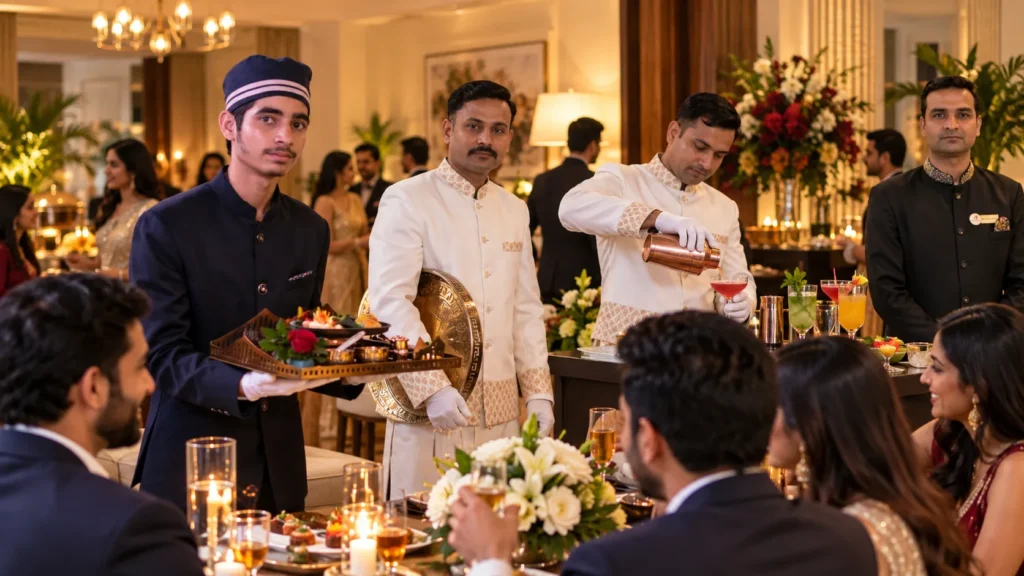
Can You Hire Waiters, Butlers & Mixologists for a Home Party? A Complete Guide It is 8:30 on a Saturday night. Thirty guests are in your living room for your parents’ anniversary. The doorbell keeps ringing, someone wants a fresh lime soda, two cousins are waiting for drinks, the paneer tikka is going cold in the kitchen, and used plates are piling up on the side table. You still haven’t spoken properly to half the room. This is usually when hosts start asking whether they can hire staff for a home party. Now picture the same evening with the work divided up. A steward walks the starters around while they are still hot. Another clears plates before they collect on every surface. A bartender on the balcony makes drinks to order, mocktails for the children and elders included. You spend the evening with your guests instead of running between the kitchen and the door. That difference comes from planning, not from spending a lot of money. In this guide, you will learn: Which staff roles a home party might need What waiters, butlers and mixologists each do How to work out how many people to hire How to plan the service setup in a home or apartment What affects the cost How Butlerkart can support private celebrations Can You Hire Professional Staff for a Home Party? Yes. Professional hospitality staff can be arranged for many types of private gatherings, depending on the provider’s services, city coverage and availability on your date. Home party staff are no longer limited to weddings and corporate events. Many hosts now book them for occasions like these: Birthday parties, including milestone birthdays and children’s parties where adults also need looking after Housewarming parties, where guests arrive in waves over several hours Anniversary celebrations and family dinners Private cocktail evenings with a dedicated bar Festive gatherings during Diwali, Holi, Christmas or New Year Terrace and farmhouse parties spread over indoor and outdoor areas Small family celebrations where the host simply wants to sit down Premium home events with formal dining or a higher level of guest service You don’t need a full team to hire staff for a house party. Some hosts book one steward to handle clearing. Others combine waiters, a butler and a mixologist. The right mix depends on what the evening needs, and good professional staff for private parties should fit around your home rather than the other way round. What Does a Waiter Do at a Home Party? Waiters and stewards handle the physical work of food and beverage service. At a home party, that usually includes: Serving food and drinks, either at the table or by bringing them to guests Passing snacks and starters on trays during the first part of the evening Managing buffet and table service, so dishes stay presentable and guests aren’t left with empty platters Clearing used plates, glasses and napkins throughout the event Replenishing food, cutlery and serving items before they run out Keeping service areas tidy, including the buffet counter and side tables Responding politely to guest requests, such as a glass of water for an elderly relative Waiters for a dinner party are especially useful when you have a buffet, several food counters, or guests who shouldn’t have to serve themselves. A steward on clearing duty also prevents the familiar end-of-evening scene where the kitchen is buried under dirty plates. If food service is your main concern, Butlerkart offers professional waiter and steward services covering food and beverage service, tray service, buffet and table service, and guest assistance for private parties and other events. What Does a Butler Do at a Home Party? A professional event butler focuses on the guest experience and on supporting the host. Where a waiter moves food and drinks, a butler usually looks after the flow of the evening and the people in it. Typical responsibilities include: Welcoming guests and helping them settle in Supporting the host with agreed hospitality duties, such as introducing service at the right time or keeping track of special requests Coordinating guest-facing service, so food and drinks reach people at the right moments Helping manage drinks and dining arrangements, especially at seated dinners Keeping up a professional presentation in dress, manner and communication Handling guest requests discreetly, without interrupting the host Coordinating with waiters and bar staff so everyone knows what is happening One clarification matters: an event butler is not automatically responsible for every household task, deep cleaning or personal errand. Agree on the duties before the event. A butler booked for guest service may not expect to wash utensils or rearrange furniture, so put these points in writing. Neither role is better than the other; they solve different problems. A butler for a home party makes sense when guest interaction, formality or coordination matters. Waiters make sense when the volume of food service is the main challenge. For hosts who want this kind of support, Butlerkart provides butler services for home parties and private events. Why Hire a Mixologist for a Home Party? When drinks are a big part of the evening, someone needs to own the bar. A mixologist or bartender can take on: Preparing cocktails and mocktails consistently, from the first drink to the last Planning a drink menu that suits the occasion, the season and your guests Setting up a dedicated bar area, so drinks aren’t being poured on the dining table Managing bar tools, ice and ingredients through the evening Keeping preparation and presentation consistent, so the tenth mojito matches the first Organising the station so queues stay short during busy periods Offering good non-alcoholic options, which matters at Indian family gatherings where many guests don’t drink A mixologist for a home party is particularly useful for cocktail evenings, birthdays, anniversaries and any celebration where drinks are part of the experience rather than an afterthought. Don’t assume every mixologist brings alcohol, glassware, bar equipment or ingredients. Some providers offer staff only; others include bar setup or menu

event staffing
Uncategorized

Event Staffing: Fully Staffed vs Properly Staffed Explained

The Difference Between Being Fully Staffed and Properly Staffed at an Event There are 25 waiters on the floor at a farmhouse sangeet in South Delhi. The planner has been told, twice, that the event is fully staffed. Yet the queue at the chaat counter keeps growing. Three tables near the dance floor haven’t been cleared since the starters. Nobody seems to know who is covering the outdoor seating by the bonfire. And two waiters are standing beside the dessert station with nothing to do, while someone’s grandmother has been waiting ten minutes for a glass of water. How can an event be fully staffed and still feel understaffed? Because headcount answers only one question. “How many waiters are you providing?” is usually the first thing a client asks an event staffing company. The better questions come next: Those answers separate a fully staffed event from a properly staffed event. Being fully staffed means filling a roster. Being properly staffed means designing a service system. Fully Staffed Does Not Always Mean Properly Staffed Take a wedding reception with 300 guests and 20 waiters. On paper, that’s a fully staffed event. Now look at where those 20 people actually are: At 8 pm, that might work. At 9:30, the couple goes on stage for photographs, half the guests drift onto the lawn and the bar gets a rush. Now eight people are looking after a buffet queue of six, while three waiters try to cover a lawn holding 150 guests. Nobody added or removed staff. The headcount is identical. Demand moved, and the deployment didn’t move with it. That’s the core distinction. “Fully staffed” is a headcount. “Properly staffed” is an operating plan. The 7 Elements of Proper Event Staffing Good event staffing answers seven questions, not one. 1. Headcount How many people does the event need? The starting point, not the answer. 2. Capability What can those people actually do? Plated service, bar work, buffet management and VIP attention are different skills. 3. Role What is each person responsible for? A role is a task to own, not an instruction to “help”. 4. Position Where should each person stand? A good position lets staff see their zone and reach guests without blocking traffic. 5. Timing When does demand rise and fall? Arrival, dinner and departure stress completely different areas. 6. Coordination Who decides what happens when conditions change? Someone needs the authority to move people. 7. Coverage Is every guest area looked after, including the ones nobody thinks about until a guest gets lost in them? An event can score well on headcount and poorly on the other six. Mistake #1: Staffing Only by Guest Count “500 guests, so we need X waiters” is a reasonable first calculation. It’s rarely the whole answer. Requirements also shift with service style, venue layout, food stations, bar setup, arrival pattern, number of functions, VIP requirements, duration, table service versus buffet, tray-passed starters and indoor-outdoor spread. Arrival is a good example. Five hundred guests trickling in over two hours put steady pressure on welcome drinks. Five hundred arriving within twenty minutes, right after the baraat reaches the gate, need a very different plan at the entrance, even though the count is the same. Layout matters just as much. A single banquet hall is easier to cover than a heritage venue in Udaipur where the dining terrace, courtyard bar and lawn sit on different levels. Mistake #2: Having Staff Without Clear Roles “Just help wherever needed” sounds flexible. In practice, it often creates the opposite. Three waiters rush to one table while the next waits. Nobody clears the corner tables because everyone assumes someone else will. Every decision starts with a question, so response slows down. Every staff member should know: Clear roles don’t make a team rigid. They make flexibility deliberate instead of accidental. Mistake #3: Putting Too Many People in One Place More staff in one spot doesn’t mean faster service. Put ten waiters around a single buffet counter and they start getting in each other’s way, and in the guests’ way. Meanwhile, tables stay uncleared, outdoor guests go unnoticed and nobody is topping up drinks. That’s staff concentration versus service coverage. Staff gather where things look busiest: the food, the stage, the kitchen door. Guests are everywhere. The goal isn’t maximum staff density. It’s maximum useful coverage. Mistake #4: Leaving Important Zones Unstaffed Most plans cover the obvious places: buffet, bar and main dining. The blind spots tend to be: Before anyone is deployed, the venue should be mapped into service zones, each with a name, a purpose and an owner. If a zone isn’t on the plan, nobody will be standing in it. Mistake #5: Forgetting the Peak Moments Demand at an event is uneven. Common peaks include guest arrival, welcome drinks, the baraat arriving, cocktail hour, the buffet opening, the main course, dessert, the closing moments and guest departure. A plan built around average demand looks fine on paper and struggles at exactly the moments guests notice. When the buffet opens after a long cocktail hour, almost everyone wants food at once. When a reception wraps up, the entrance, gift table and parking exit all get busy together. Average demand tells you how many people you need across the evening. Peak demand tells you where they need to be at 9:15. Planning for peaks usually means knowing, in advance, who shifts where. Mistake #6: No Floating or Flexible Staff Not everyone needs to be fixed to one spot. Some staff work better as mobile or floating support, moving toward: Floating staff absorb the unpredictable parts of an evening. Whether an event needs them, and how many, depends on layout and format. A compact seated dinner may need little flexibility; a sprawling multi-zone reception may depend on it. Mistake #7: No One Is Responsible for the Big Picture There’s a difference between people performing tasks and someone watching how the whole operation is running. Waiters see their tables. Stewards see

wedding bar service
Uncategorized

What a Professional Mixologist Notices at a Wedding Bar

What a Professional Mixologist Notices at a Wedding Bar That Guests Never See It is a little after nine at a reception on a farmhouse lawn outside Delhi. The couple made their entry twenty minutes ago, the DJ has switched to Punjabi tracks, and the bar looks exactly like the mood board. A guest walks up, asks for the kala khatta gin cocktail from the menu card, and has it in his hand in under a minute. To him, that is all wedding bar service is. You ask, you get your drink, you go back to your cousins. Nothing unusual happened. Behind the counter, a lot happened. In that same minute, the mixologist had noticed that: The guest saw none of it. That is the difference between serving drinks and running a wedding bar. Guests usually judge a wedding bar by what they can see: the counter design, the cocktail names, the bartender’s style, the glass in their hand. A professional mixologist judges it from the other side. A good wedding bartender knows how to make a drink. An experienced mixologist also knows everything that drink depends on: which station, which glass, which ice, which garnish, and what the next fifty orders will look like. This article walks through what that person is watching before, during and after a drink reaches the guest. Where the Bar Sits, Before a Single Drink Is Poured A mixologist’s first look at a venue is rarely at the bar itself. It is at the paths around it. Where do guests come in? Where will the dance floor pull people at 11 pm? How far is the bar from the dining area, and does the route to the buffet cut across the queue? Will guests approach from one side or from three? Is there room behind the counter for two or three people to move without bumping into each other? Can stewards bring in crates and washed glasses without walking through the crowd? A beautiful bar in the wrong place creates problems that décor cannot fix. Picture a sangeet where the bar has been placed beside the stage because it looks good in photographs. It works until the family performances begin. Then the crowd gathers at the front, and the bar becomes the only standing spot with a view. People who want a drink can’t reach it, and people who don’t want one are leaning on the counter. Experienced teams raise this during wedding bar setup planning, when moving the bar costs nothing. Even a luxury wedding bar can’t make up for being put in the wrong place, and on the day itself it is usually too late to move it. Reading the Crowd Before Reading the Orders No two wedding crowds drink the same way. A good event mixologist starts spotting patterns within the first half hour. Is this a group of college friends who will order in rounds of six? Or older relatives who each want one carefully made drink and a short chat? Are the uncles sticking to whisky on the rocks while the younger cousins work through the cocktail list? How many people are asking for mocktails, and are the same people coming back? Timing tells you something too. A cocktail night with a young guest list may peak early and stay busy. A reception with a large family presence often starts gently and rises sharply after the couple’s entry. These observations change how the bar runs. If guests are ordering in rounds, one bartender may start building trays instead of single drinks. If one group is crowding the counter, the team may open a second service point. None of this is written on the menu. It comes from watching. The Cocktail Menu Looks Simple. It Isn’t. A guest looks at a menu card with three cocktails, two mocktails and one signature drink and sees six choices. A mixologist sees a lot of moving parts. Each drink needs its own ingredients, prep, garnish, glass and ice. One might need fresh-muddled mint, another a smoked rim, a third a syrup made the day before. Some can be partly batched in advance; others have to be built to order. Multiply that across a few hundred guests and two or three hours of peak service, and a menu that reads beautifully can become impossible to serve quickly. That is why a wedding cocktail menu should be designed around the event, not around which cocktail names sound impressive. The questions are practical. How many guests? How many bartenders? How much counter space? How long is service? Which drinks can share a base spirit, a glass or a garnish? The best signature cocktails for weddings usually have a personal story behind them, such as the couple’s favourite fruit or a flavour from the bride’s hometown. They also need a build simple enough to taste the same at the hundredth pour. A good custom cocktail menu has the right drinks, not the most drinks. This is the planning a dedicated wedding mixologist service, such as Butlerkart’s, takes care of before the first bottle is opened. Ice Is One of the First Things a Professional Bar Team Plans Guests rarely think about ice unless there isn’t any. Professionals think about it constantly. When you plan a cocktail bar for a wedding, you may need more than one type of ice: standard cubes for shaking and serving, larger cubes for spirit-forward drinks, and crushed ice for certain cocktails and mocktails. Each type melts at a different rate and needs different storage. Ice also does jobs beyond going into the glass, like chilling bottles, keeping mixers cold and cooling glassware. Ice use is rarely steady. It is gentle during welcome drinks, then climbs sharply at peak service, especially at outdoor summer weddings. A lawn in May is hard on an ice bin. Where the ice sits matters as much as how much there is. If bartenders have to turn around and walk to a single bin at the back,

Trained Event Manpower vs Temporary Workers
Uncategorized

Trained Event Manpower vs Temporary Workers: What Differs

Why Trained Event Manpower Is Different From Temporary Workers It’s 8:15 on a reception evening. The lawns are lit, the florals are exactly what the bride’s mother wanted, and the first cars are pulling in. On paper, staffing is sorted: twenty-two people in black waistcoats are on the floor. Twenty minutes later, the groom’s uncle is asking who is looking after the family table. A guest near the stage has been holding an empty glass for ten minutes. The live pasta counter has a queue curling around a pillar. And three staff members are standing by the service entrance, trays in hand, waiting to be told what to do. Nobody is lazy. Nobody is rude. So what went wrong? The event had enough people. What it lacked was clarity about what each of them was there to do. That gap between headcount and capability is what separates trained event manpower from staff hired simply to fill numbers. “We Need 20 People” Is Not a Staffing Plan Most staffing conversations start with a number. The number matters, but the useful questions come after it: If nobody can answer these, the number on the quotation doesn’t tell you much. The value of event manpower is decided by what the staff can consistently do, not just by how many of them show up. “Temporary” Doesn’t Automatically Mean “Bad” This needs saying upfront. Temporary event workers are a normal, useful part of event operations. They make sense for setup and dismantling, loading and moving supplies, back-of-house support, and short, high-volume tasks where specialist hospitality skills simply aren’t needed. Many temporary workers are hardworking, quick to learn and experienced. Employment status says nothing about anyone’s worth. The trouble starts when an event quietly expects someone hired for headcount to perform a role that depends on etiquette, discretion, timing and professional communication. That isn’t a failure of the person. It’s a mismatch between the role and the preparation behind it. So the better question isn’t “temporary or permanent?” It’s “What level of preparation does this event actually need?” The First Difference: They Know Their Role “Here are your instructions” is not the same as “Here is your role, your service area, your responsibilities and who you go to if something goes wrong.” In a well-planned hospitality team: Trained waiters and trained stewards arrive understanding these distinctions. When roles are clear, staff don’t drift toward the busiest-looking spot or cluster near the kitchen. Role clarity doesn’t make people robotic. It frees them to watch guests instead of guessing what to do next. Training Shows Up in Small Moments Guests never see the training session. They see its results. A waiter waits for a pause in conversation before offering the next round. An empty glass disappears without the table noticing. A spilt drink is handled with a napkin, a quiet word and a fresh glass, not a flurry of apologies that turns every head. A request from the bride’s father goes discreetly to the right person instead of being shouted across the lawn. A staff member recognises when something is beyond their role and calls a supervisor before the guest is left waiting. Trays are carried steadily, and nobody stands at an empty counter wondering if more food is coming. None of these moments is dramatic. Together, they are most of what guests remember about service. Training becomes visible through behaviour. Grooming Is Not Just About Looking Good In event hospitality, grooming is part of the job. It means clean, well-fitted, consistent uniforms, personal hygiene, neat hair, appropriate polished footwear, and a team that looks like one team. Guests read appearance as a signal of organisation. When one steward has a creased shirt, another is in sports shoes and a third has a stained apron, even a beautifully planned event starts to feel less coordinated. None of this is about how anyone naturally looks. It’s about cleanliness, consistency and respect for the occasion, and around food, hygiene is non-negotiable. Guest Interaction Is a Skill Serving food and interacting with guests are related but different skills. Good interaction involves tone, listening, appropriate eye contact, respectful language, personal space, and knowing when to approach and when to step back. Take a simple question: “Where is the dining area?” The unprepared answer is a quick point: “Over there.” A prepared staff member reads the situation. An elderly guest with a walking stick, on an uneven farmhouse lawn at night, shouldn’t be pointed toward a distant tent. Better to walk with her, mention the step at the entrance and perhaps find her a seat near the family. Guests should be guided, not dismissed. The same applies to harder moments: a guest annoyed about a wait, a relative insisting on a dish that has run out, a corporate attendee who’s had one drink too many. Staying calm, polite and firm is a learned skill. Trained Staff Understand Timing Good service is less about speed than about doing the right thing at the right moment. A waiter who clears plates mid-conversation is efficient on paper and disruptive in practice. Timing is what turns task completion into service. What Happens When Something Goes Wrong? This is where the difference shows most clearly. A guest spills a drink. Prepared staff attend to the guest first, then the surface, then the replacement, quietly. A VIP makes a special request. Trained staff know who can approve it and route it without fuss. A buffet station gets crowded. Someone notices early, tells the supervisor, and staff move to replenish or guide guests to a quieter counter. A guest complains about waiting. The response acknowledges the wait, doesn’t argue and fixes the problem, instead of blaming the kitchen. A table needs urgent clearing before the family sits down. Someone owns that table and acts. The schedule changes. The pheras run late, or the CEO’s address moves up by half an hour. A briefed team adjusts. An unbriefed team waits. Trained staff still make mistakes. The difference is that they’re

butler service meaning costs and types
Uncategorized

Butler Service Explained: What a Butler Does, Hiring Costs, and Different Types of Butler Services

Butler Service Explained: What a Butler Does, Hiring Costs, and Different Types of Butler Services It’s half past seven and the doorbell has just rung for the first time. The drinks tray isn’t ready, the starters are cooling in the kitchen, one guest is asking where to put their coat, and your aunt wants to know where she should sit. You planned this dinner so you could spend the evening with people you care about. Instead, you’re going back and forth between the front door and the kitchen. That is the gap a butler service fills. A trained butler takes over the hospitality: greeting guests, serving at the right moment, and keeping the evening running, so the host can actually be present. When people search for a butler service, they usually mean one of several things. Some want a full-time private butler for their home. Some want trained staff for one wedding or party. Others have seen butler service at a luxury hotel and want to know what it involves. The word covers all of these, but the jobs are quite different. A professional butler is also different from a general household helper, a waiter, or a hotel staff member. A helper keeps a home running. A waiter serves food and drinks. A butler is responsible for the whole guest experience: noticing what people need, coordinating with others, and handling requests discreetly. Which kind of service is right for you depends on the occasion, the setting, and what you need the person to do. What Is a Butler Service? Put simply, a butler service is personalised hospitality from a trained professional whose job is to look after people. That might be a family, a host, or a room full of guests. The butler service meaning goes well beyond carrying plates. It usually includes: Anticipation is what separates a good butler from a competent server. A trained butler notices that a guest’s glass is almost empty before they look around for someone. They see that an elderly visitor would be more comfortable nearer the door. They know when the host needs a quiet word about when to serve dessert. When it’s done well, most of this goes unnoticed. There is no single, fixed job description. What a butler does depends on the service agreement, the setting, and their training. A butler booked for a five-hour wedding reception and one employed full-time by a family will have very different days. What Does a Butler Do? So, what does a butler do? In short, a butler manages the hospitality around a person, a household, or an event. Common duties include: How these duties look in practice depends a lot on where the butler works. In a private residence A household butler learns preferences over time: how the family likes the table laid, which regular guests prefer which drinks, and when to step in or stay out of the way. Depending on the agreement, the job may also include preparing for dinner parties, supervising other domestic staff, and receiving deliveries and visitors. In a hotel A hotel butler looks after a changing set of guests, usually in premium rooms or suites. The focus is on personal requests, such as arranging in-room dining or helping with luggage. It also involves working with the housekeeping, concierge, and food and beverage teams. At an event An event butler works a fixed shift with many guests at once. The job centres on welcoming guests, tray and table service, responding to requests, and working with the caterer and event coordinator. The goal is steady service from the first arrival to the last goodbye. Different Types of Butler Services Private Butler Service The private butler meaning is fairly simple: a butler who works for a particular individual or family, rather than for a hotel or venue. Their attention is on one household’s routines, guests, and preferences. People often consider a private butler when they entertain regularly, run a large home, often host visiting family or business contacts, or want hospitality at home to stay at a consistent standard. The arrangement can be full-time or part-time, and live-in or live-out. Because a private butler is close to the family’s personal life, trust and discretion matter as much as service skills. Home Butler Service A home butler service is usually more flexible than full-time employment. It might mean booking a trained butler for particular occasions or on a regular basis: a monthly dinner for clients, a Diwali gathering, or a long weekend with house guests. A typical home butler service covers greeting guests, setting and managing the dining table, serving drinks and courses, clearing between courses, and working with the cook or caterer. Agree on the exact scope in advance, because “help at home” can mean very different things to different people. Hotel Butler Service A butler service in a hotel is usually attached to premium rooms, suites, or villas. A hotel butler might book a dinner reservation, have clothes pressed before a meeting, set up a small celebration in the room, or remember that a returning guest likes a particular tea at 7 a.m. The main differences from a private butler are who they serve and for how long. A hotel butler works for the property. They look after many guests over time, follow hotel policies, and work alongside other departments. A private butler works for one household and builds a long-term understanding of it. Event and Wedding Butler Service Event butlers are booked for one occasion: a wedding, a sangeet, a cocktail evening, a corporate dinner, a product launch, or a private party. Their work centres on the guests. They welcome people, serve food and drinks, carry trays of starters, help with seating and requests, and coordinate with the caterer, planner, and venue team. This is where a butler for a wedding or a private party makes the most visible difference. Picture a farmhouse wedding with 300 guests. Without enough trained staff, starters sit at the counter while the

Event Service Staffing Guide
Uncategorized

What Guests Notice About Waiters at Your Event Without Saying a Word

What Guests Notice About Waiters at Your Event Without Saying a Word A guest steps out of a car at a farmhouse venue on the edge of Delhi. The baraat is still twenty minutes away, and the dhol can be heard faintly from the road. Near the entrance, a waiter stands with a tray of welcome drinks. Nobody will mention him later. He won’t appear in the wedding album, except perhaps as a blur behind a candid shot. But in the four seconds it takes the guest to walk past him, a surprising amount has been registered. Is his shirt pressed, or creased from the journey? Is he standing upright, or leaning against a pillar? Is he looking at the arriving guests, or down at something in his hand? Does he look like he knows where people should go next? The guest doesn’t think any of this in words. They take a glass of aam panna, smile, and walk in. But an impression has already formed, and the evening has quietly been filed under “this feels well run” or “hmm.” The Myth That Guests Only Notice Food, Venue and Décor Most event planning conversations revolve around the menu, the venue, the flowers and the lighting. Those things matter. But guests don’t experience an event as a set of line items. They experience it as a string of small moments, and a large share of those moments involve the people serving them. A beautifully decorated hall can still feel poorly managed if a guest can’t find anyone to ask where the washroom is, if empty glasses sit on tables for twenty minutes, or if three waiters crowd one table while the next one waits. Nobody writes a complaint about it. They simply leave with a vague sense that something was a little disorganised. These are what we might call silent service signals: things hospitality staff communicate without saying a word. Understanding these signals is the real difference between hiring people to carry plates and investing in professional event staffing. 1. Grooming: The First Thing People See Before a waiter says anything, guests have already seen their uniform, hair, shoes and hands. This isn’t about looks. It’s about cleanliness and care: a pressed shirt, neatly kept hair, clean nails, shoes that have been polished rather than merely worn. The detail people underestimate is consistency. One waiter in a crisp black waistcoat and another in a slightly faded one, with scuffed shoes, makes the whole team look assembled at the last minute. The service itself may be technically fine, but the visual inconsistency suggests nobody was checking. Butlerkart treats this as a baseline. Its waiter and steward services page states that staff arrive in clean, well-ironed uniforms with polished shoes and proper grooming, and that dress codes can be customised to suit an event’s theme. That last point matters more at Indian weddings than people realise, where a mehendi, a sangeet and a reception can each call for a different look. 2. Posture: Are They Ready, or Just Standing There? Guests can tell the difference between staff who are waiting and staff who are ready. Passive posture looks like slouching, leaning against a buffet counter, hands in pockets, glancing at a phone, or chatting in a cluster near the service door. Professional posture looks alert but relaxed. The waiter is visible, stands at a sensible distance from guests, and is clearly available without hovering. Good posture isn’t about standing stiffly like a guard. Guests actually find that uncomfortable. The goal is to look available without looking intrusive, so a guest who needs something knows exactly who to catch, and a guest who doesn’t never feels watched. 3. Where They Look This is one of the most revealing signals, and one of the least discussed. An attentive waiter’s eyes are busy. They move between the tables, the service area, the entrance, the half-finished plates and the glasses running low. When a guest glances up, they often find a staff member already looking their way. A distracted waiter’s eyes are elsewhere: on a phone, on a colleague, on the floor, on nothing in particular. That’s the difference between being present and being attentive. Plenty of staff are physically present at an event. Fewer are actually watching it. 4. How Fast They Notice Something Guests don’t time responses with a stopwatch, but they feel it when their glass has been empty for a while, when a used plate sits in front of them through the next conversation, or when they have to wave twice for help. Professional hospitality leans on anticipation. A good waiter notices the empty water glass and refills it without being asked. They see an elderly guest looking around the room and walk over before she has to get up. They spot that a buffet tray of paneer tikka is running low before the queue notices. Anticipation, however, is not interruption. A waiter who asks “More water, sir?” in the middle of a toast has noticed the glass but missed the moment. The skill lies in reading the table as well as the glassware: refilling quietly, waiting for a pause, and clearing a plate only when the guest has clearly finished rather than while they’re still holding a piece of roti. 5. How They Move Through a Room Movement is a signal in its own right. A room full of staff rushing, weaving and brushing past chairs feels chaotic, even if the food is arriving on time. Professional movement tends to look like this: At a crowded sangeet, with a dance floor, a photographer and children running in every direction, this becomes a real skill. Done well, service almost disappears into the background. Things simply keep arriving and leaving at the right time. 6. How They Approach a Guest The first few seconds of any interaction set the tone. Guests notice how close a waiter stands, whether they wait for a natural pause, how calm their voice is, whether they make eye

Event Service Staffing Guide
Uncategorized

Where Should Your Waiters Stand? A Zone-by-Zone Event Service Staffing Guide

Where Should Your Waiters Stand? A Zone-by-Zone Event Service Staffing Guide Twelve waiters are working the reception tonight. You can count them from the stage. And yet a guest near the bar has been holding an empty glass for five minutes, looking for someone to catch his eye. Out on the lawn, a table of cousins sits behind a pile of chaat plates nobody has cleared. At the gate, an elderly aunt is asking the decorator’s helper where the family is seated. The event isn’t short-staffed. Seven of those twelve waiters are simply standing within a few metres of the buffet, because that’s where the evening looks busiest. The problem isn’t how many people you hired. It’s where they’re standing. Why Waiter Positioning Matters Guests don’t move randomly. They arrive, head for drinks, find a seat, get up for food, step outside, look for the washroom, and leave. Good event service staffing follows that movement. Every service moment depends on three things: visibility (can the guest see someone to ask?), distance (how far must the waiter walk?), and timing (is anyone there when demand peaks?). A waiter who has to cross a 60-metre lawn to refill a glass is on duty, but not really available. Demand also moves. Arrivals put pressure on the entrance, then the drinks, then the buffet, and ten minutes later the tables need clearing. A plan frozen in one shape can’t keep up. That’s why experienced planners think in *service zones, each with its own job. So alongside *”How many waiters do we need?”, ask: “Where does each waiter need to be when guests need them?” The First Rule: Don’t Place Staff Where They Look Busiest Eight uniformed waiters behind a buffet look reassuring. But if the bar has no floor support, the entrance is empty, plates are piling up, and nobody is covering outdoor seating, the event still has a service problem. It’s just happening where the hosts can’t see it. Two ideas often get confused: You can have plenty of presence and poor coverage. Most “we had enough staff, so why was service slow?” complaints come from this gap. Zone 1: The Entrance and Arrival Area The entrance is where guests decide whether an event feels organised. It’s also the first zone abandoned when dinner opens. Staff here welcome and direct guests, explain the venue layout, help elderly guests with steps and uneven ground, answer questions (“Have the pheras started?”), and alert the event team when family or VIPs arrive. Indian weddings make this zone harder. When the baraat arrives, a crowd reaches the gate at once while the bride’s side is still receiving guests. Senior relatives may need to be guided straight to reserved seating. At destination weddings, guests may come straight from hotel check-in with no idea where anything is. And many farmhouses and palace venues have more than one entry point, so one person at the main gate still leaves the side entrance uncovered. Late arrivals keep coming well after dinner starts. A quieter entrance still needs someone there. Zone 2: The Welcome Drinks Area The first bottleneck often forms within ten minutes of the gates opening. There are two ways to handle it. Static service keeps staff at a fixed drinks station. It suits staggered arrivals, compact spaces, and simple setups. Circulating service sends staff into the crowd with trays. It suits large simultaneous arrivals, spread-out spaces, and events where you want guests to settle in rather than queue. Most events use both: one or two people anchoring the station while others circulate. Either way, plan for the work behind the tray: replenishing drinks, collecting empty glasses before they cover every ledge and planter, and, at outdoor summer events, getting chilled drinks out before they warm up. Put the most people here during peak arrival, then move some on. Zone 3: The Bar and Beverage Area Two skilled people behind the counter can still leave guests frustrated if nobody is working the space in front of it. Separate the roles: Without floor support, every guest must walk to the counter. Queues form, glasses pile up, and bartenders slow down because they’re clearing as well as pouring. Guests at distant tables simply stop ordering. One floor waiter near the bar takes orders from people who won’t queue, keeps the counter clear, and handles interruptions that would otherwise pull a bartender away. Zone 4: The Buffet and Food Service Area When dinner opens, the buffet becomes the most crowded part of the venue, and staff gather there by instinct. Buffet staff serve from counters, hand out plates, guide guests to the right stations, watch for crowding, tell the kitchen early when a dish is running low, and keep counters clean. The key idea is service density. Too few staff means slow lines and messy counters. Too many means people standing shoulder to shoulder with little to do while the rest of the venue goes uncovered. A busy live tandoor or dosa counter may need an extra hand. The dessert counter doesn’t need three people before the main course has finished. Put staff where the queue actually is. Zone 5: Dining and Table Service Many plans assume service ends once guests collect their food. It doesn’t. Dining-zone waiters clear plates and glasses, refill water and drinks, handle requests, help elderly guests who would rather not carry a plate through a crowd, and keep tables looking free. Table clearing is part of guest flow. Picture 20 occupied tables that nobody is clearing. The buffet moves quickly, but the next group walks out with full plates and nowhere comfortable to sit. The buffet worked. The dining zone didn’t. Zone 6: VIP, Family, and Special-Guest Areas Most weddings and corporate events have a group that needs closer attention: immediate family, grandparents, chief guests, senior leadership, international visitors, or high-profile guests who value privacy. These guests often need faster response (they’re busy hosting and can’t easily leave their seats), personal help with dietary needs or food

wedding buffet staffing
Uncategorized

Your Buffet Isn’t the Problem: 7 Hidden Staffing Mistakes That Create Long Queues at Weddings

Your Buffet Isn’t the Problem: 7 Hidden Staffing Mistakes That Create Long Queues at Weddings The buffet opened at 8:30 PM. By 8:37, the line had stretched past the first row of dining tables. An uncle was balancing two plates, one for himself and one for his mother waiting near the stage. The food wasn’t running out. Six counters for 450 guests isn’t small. The kitchen was sending out dal makhani as fast as anyone could eat it. So why was everyone waiting? Spend five minutes on the floor and the answers appear. Most of the service team was standing behind the main-course counters. Tables near the buffet were covered in used plates, so served guests stood in the aisle, blocking the line. The paneer tray had run down to the last spoonful, and the counter stopped while a fresh one came out. And nobody noticed that the Chinese counter at the far end had no line at all. The buffet wasn’t the problem. The staffing plan was. Why buffet queues are so visible at Indian weddings Indian weddings pack a lot of demand into a short window. Guest lists run into the hundreds, and people arrive in waves: after the varmala, off the hotel shuttle, once the baraat settles. The same team may be handling a chaat corner, live counters, the main course, welcome drinks and starters. Add grandparents, small children, VIP family friends and a service team on its third function in two days. Then someone announces “khana lag gaya hai”, and a few hundred people move at once. When the line forms, the buffet gets the blame. Sometimes that’s fair. But plenty of weddings with enough food, enough counters and a good caterer still end up with long queues. So what if the buffet isn’t the problem? Here are seven hidden wedding buffet staffing mistakes, and what to do about each. Guest flow is a chain A buffet queue is the visible end of a longer sequence: Arrival → Entry → Welcome → Food and beverage access → Serving → Seating → Plate and glass clearing → Replenishment → Exit from the service area If any link slows, guests back up behind it, and the backup usually shows at the buffet even when it started at the tables or the gate. Staffing touches almost every link. Mistake 1: Staffing by total guest count alone “500 guests” tells you surprisingly little. Five hundred people drifting in over three hours is a different evening from 500 people converging on dinner within 20–30 minutes of it opening. Headcount-based plans assume demand is spread evenly. It rarely is. The dinner announcement creates a spike where every counter, table and drinks request peaks together, and 400 guests in a compact hall behave differently from 400 across a lawn. Staff for the average, and the team spends the peak catching up. Do this instead: Estimate how many guests will be at the food during the busiest half-hour, and staff for that window. The 30-minute wedding rush guide covers the arrival side in detail. When you brief Butlerkart’s waiter and steward team, share the dinner timing and arrival pattern, not just the guest count. Mistake 2: Putting staff in the wrong places A wedding can have the right number of staff and still position them badly: Each of these pushes more people toward the same spot. Staff placement can matter as much as staff count. Do this instead: Walk the guest journey on the venue layout and place people where guests will be at each stage. Butlerkart lists guest assistance, buffet service and tray service as separate parts of its waiter and steward services, which makes it easier to plan each role around a part of the venue. Mistake 3: Nobody is assigned to clearing This is the most underestimated cause of a buffet queue at a wedding. A family of five finishes eating. Their plates stay on the table. They stand to chat, but the table still looks taken, so the next family, plates in hand, can’t sit. They hover near the buffet. Others do the same. Soon the space around the counters is full of people who’ve already been served, and the line can’t move. The effects stack up: Clearing isn’t housekeeping. Free tables keep the line moving. Do this instead: Give clearing a named owner before dinner starts: stewards assigned to table sections at a large wedding, or part of each steward’s zone at a smaller one. Plate clearing is part of how Butlerkart describes its buffet and table service. Mistake 4: Replenishing only when the tray is empty The mutton rogan josh starts running low. Guests notice, and more people head to that counter. By the time staff react, the tray is empty, the counter pauses for a fresh one, and the line grows. The food existed. The delay was in noticing and passing on the message. Two teams are involved. The caterer’s kitchen decides what gets cooked and when; service staff see what’s happening at the counters. When nobody watches levels or knows who to tell, replenishment becomes a scramble. Do this instead: Agree on a trigger in advance (for example, flag a dish at about a third full) and on who tells the caterer. Watch the two or three dishes most likely to run out. Butlerkart’s stewards handle replenishment at the counters, while cooking and quantities stay with your caterer, so agree that handover before service. Mistake 5: Everyone is serving, but nobody is watching the flow You can have 30 waiters and nobody looking at the whole floor. Twenty minutes into dinner, the tandoor counter has a line fifteen deep. The pasta counter beside it is nearly empty. Staff at both keep doing what they were told, and guests keep joining the long line because that’s where everyone else is. Someone watching the floor would spot it in a minute, point guests to the pasta counter and move a steward across to the tandoor. That’s the

waiters for wedding
Uncategorized

The 30-Minute Wedding Rush: How Many Waiters Do You Need When Everyone Arrives at Once?

The 30-Minute Wedding Rush: How Many Waiters Do You Need When Everyone Arrives at Once? 6:52 PM. The lawn is lit and the buffet counters are dressed. Forty glasses of welcome mocktail sit in neat rows at the bar. The service team is in position, and everything looks calm. 7:04 PM. The shuttle from the hotel has just unloaded, the parking has filled in one wave, and about two hundred guests are walking toward the entrance within the same few minutes. By 7:15, the first tray of drinks is empty before it has crossed the lawn. An elderly relative near the stage is looking for a chair with a backrest. Someone wants directions to the washroom, and someone else wants to know where the family is sitting. The tikka counter has a queue, but the passed starters haven’t reached the far corner of the tent. Used glasses are piling up on every high table. A group of the family’s most important guests has arrived, and nobody has noticed them yet. Nothing has actually gone wrong. There just aren’t enough trained hands in the right places at the same moment. That’s the 30-minute wedding rush. It’s also why the question “how many waiters do you need for a wedding?” doesn’t have a one-line answer. A ratio helps, but the better answer comes from asking when your guests will need service, and how many of them will need it at the same time. Why the first 30 minutes can be harder than the next three hours Every wedding has a peak-service window: a short period when demand jumps far above the evening’s average. Take a 300-guest reception. For most of the night, perhaps 40 or 50 guests are actively asking for something at any given moment. One wants a refill, a table needs clearing, a guest is looking for the dessert counter. A well-staffed team handles that comfortably. Now suppose 200 of those guests arrive within 25 minutes. That’s roughly seven or eight people coming through the entrance every minute. Each one expects a welcome drink, some expect help finding a seat, and many will reach for a starter within minutes of arriving. A tray carries perhaps a dozen glasses, so at the entrance it can be empty in under two minutes, and then it has to go back to the bar and return full. All of this happens at once: Staff numbers that look generous at 9:30 PM can feel thin at 7:10 PM. How many waiters do you need for a wedding? A useful place to start is the guidance on Butlerkart’s Waiter & Steward Services page. It says that, generally, around one waiter for every 15–20 guests is recommended for efficient service, and that the actual requirement depends on guest count and service type. That second part matters as much as the ratio. Treat 1:15–20 as a starting point for the conversation, not as a universal industry rule. The number should move up or down depending on: A practical wedding staffing table The ranges below apply Butlerkart’s stated 1:15–20 guideline to common guest counts. To get them, divide the guest count by 20 for the lower number and by 15 for the higher one, rounding up. These are illustrative planning ranges, not fixed requirements. Your actual plan should be built after the staffing provider understands your event. Guest count Starting range (at 1:15–20) When you may need more 50 3–4 staff Plated courses, a separate bar area, several senior guests 100 5–7 staff Most guests arriving together, tray-passed starters 150 8–10 staff Indoor and outdoor areas, a separate welcome zone 200 10–14 staff Buffet plus passed snacks, a large lawn 300 15–20 staff A 30-minute arrival peak, multiple food counters 500 25–34 staff Multiple floors, a large VIP group, parallel service zones 750+ 38–50+ staff Multiple functions, destination logistics, long service hours The table can go down as well as up. An intimate buffet dinner where guests arrive gradually may run well at the lower end. A cocktail-heavy reception with passed starters and a rush at the gate may need more than the upper figure during the peak. The biggest mistake: staffing only for the average Here’s the trap. A family plans for 300 guests over four hours. That averages to about 75 arrivals and service requests per hour, which sounds manageable. But if 200 of those guests arrive in the first 30 minutes, the arrival pace during that window is about 400 guests per hour, more than five times the evening’s average. Service demand doesn’t spread itself evenly across the night. It bunches up. Average demand is not the same as peak demand. If you staff for the average, your team spends the peak catching up. Guests notice empty trays, full tables and long queues, and first impressions form in exactly those minutes. If you staff for the peak, the team is ahead of the guests when it matters. Later in the evening, experienced staff move naturally into clearing, refills, dessert service and farewells. What type of service are you providing? The service format changes where your staff need to be and how busy they are. Buffet service. Buffets look light on staff, but they aren’t. Someone has to replenish counters, keep serving areas clean, help guests who can’t carry a plate and a drink together, collect used plates and clear tables. Butlerkart describes this work directly: managing buffet counters, food replenishment, plate clearing and maintaining cleanliness. Plated or table service. Here, the pressure is timing. Every table in a section needs to be served at roughly the same moment, and then cleared together before the next course. Coordination matters as much as headcount. Tray-passed starters. Circulation is the job. Trays have to reach the guests standing at the far edges, not just the ones near the kitchen door, and each tray needs refilling. Coverage is harder than it looks on a large lawn. Welcome drinks. This is your first contact with every guest, and it happens

Scroll to Top