Who Offers the Best Butler Service for Weddings?
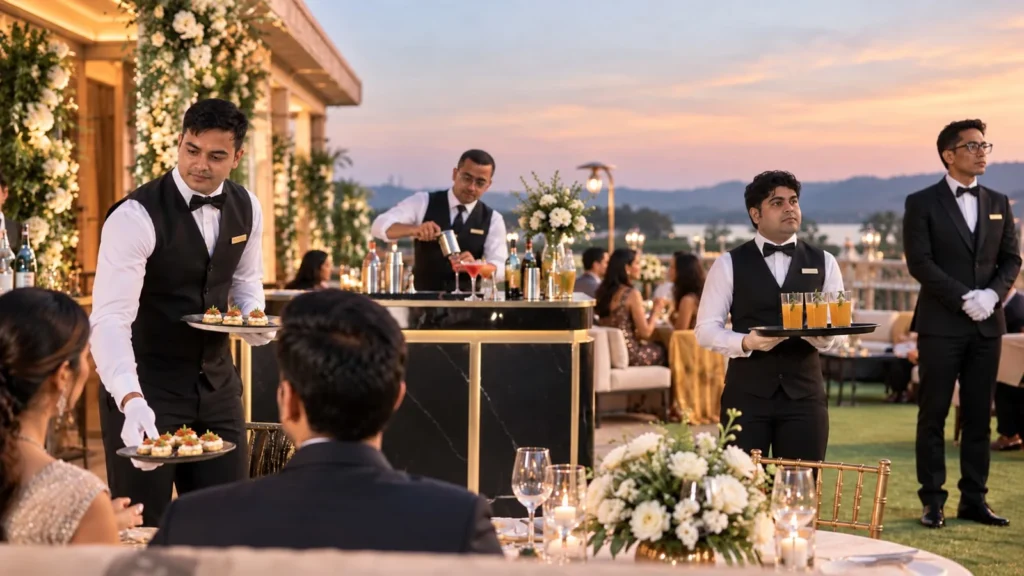
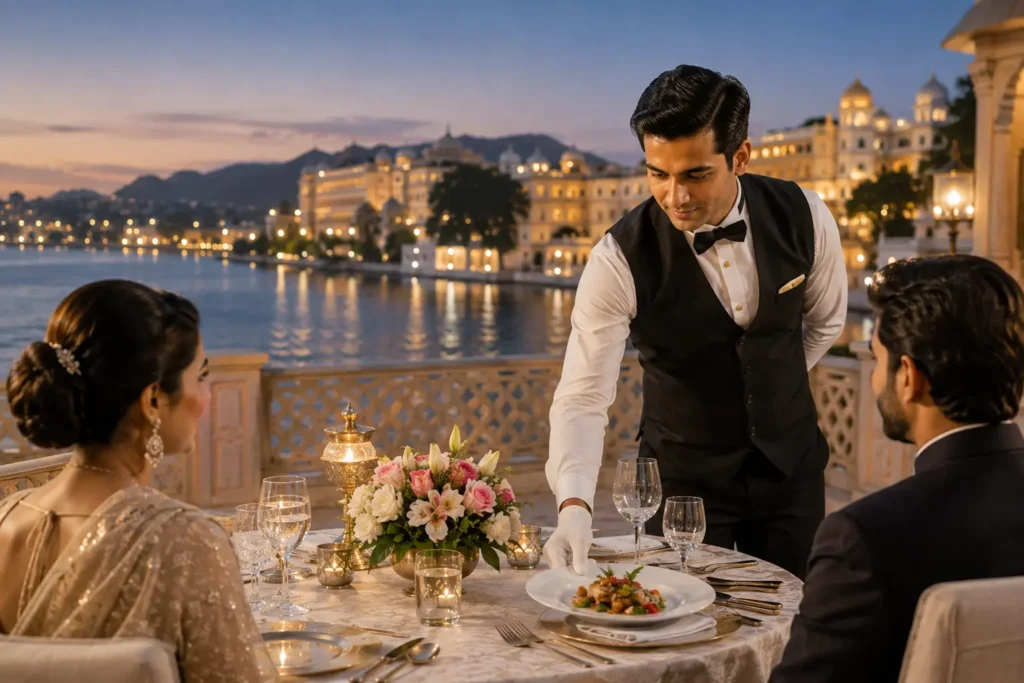
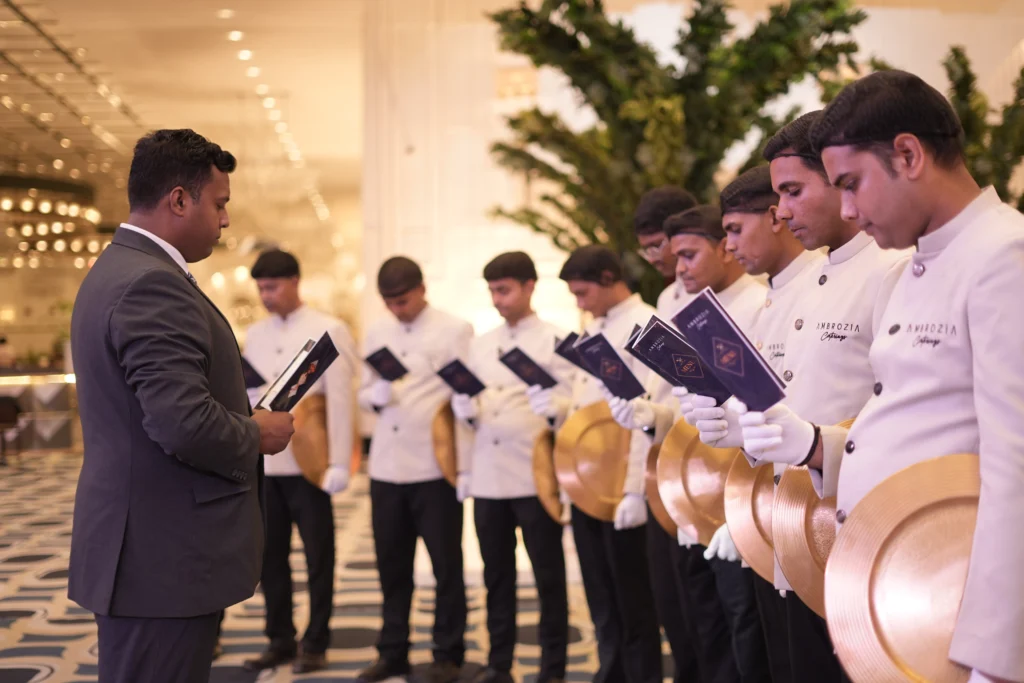
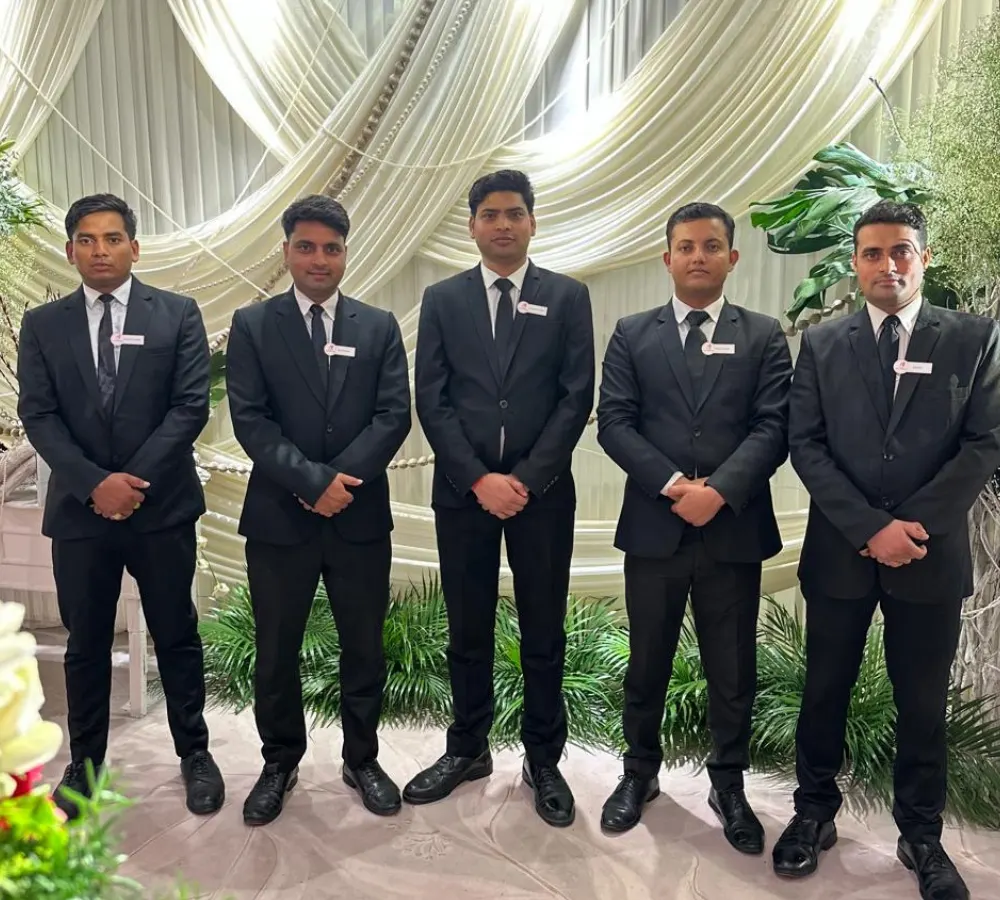
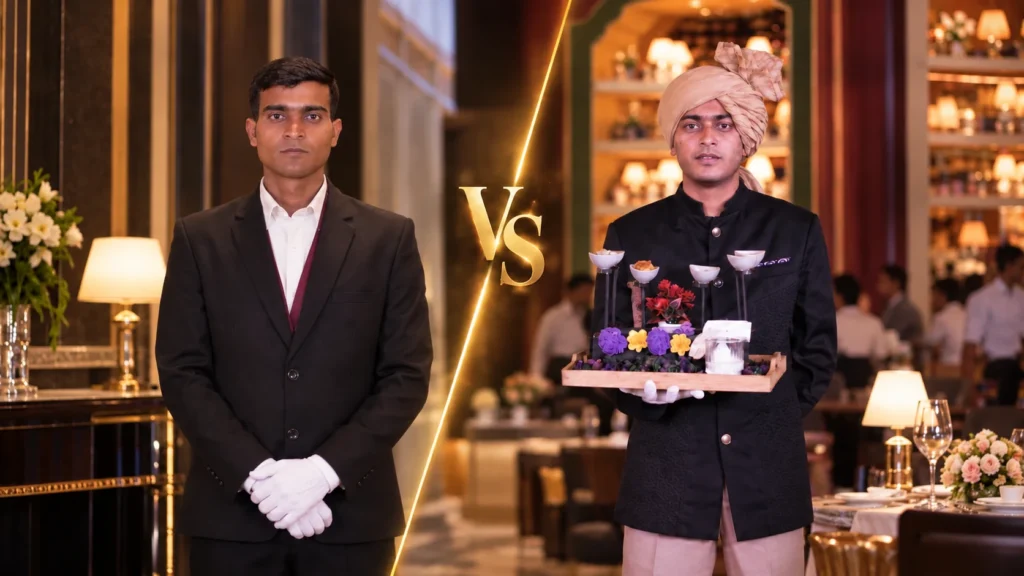
Who Offers the Best Butler Service for Weddings? It was close to eleven at night at a Jodhpur palace wedding, somewhere between the sangeet winding down and the after-party starting. The bride’s grandmother was standing near the lift with her stick, waiting. Not lost, exactly. Just waiting for someone to notice her. Two uniformed staff walked past with trays. A cousin eventually spotted her and walked her up to her room. Nothing went wrong that night. No one complained. The photographs were beautiful. But that is the gap most hosts never see. The décor was handled, the food was excellent, the venue was stunning, and yet an eighty-two-year-old woman stood alone for four minutes because everyone present had a task, and nobody had the guest. This is the actual reason families look into a wedding butler service. Not the theatre of it. The coverage. And if you are trying to work out who offers the best butler service for weddings, it helps to first understand what the role really involves, because the term gets used loosely in the Indian market. What Does a Wedding Butler Actually Do? A butler is not a waiter in a better jacket. That distinction matters, and it is the one most hosts get wrong at the enquiry stage. A waiter is assigned to a station, a table, or a tray. Their responsibility is the service item. A butler is assigned to people, or to a zone full of people, and their responsibility is whatever those people need next. It is a much broader brief, and it demands judgement rather than instruction-following. On a wedding day that looks like this. Guests arriving from the airport are received, their luggage moved without them asking twice, and their room key handed over with the schedule for the evening explained in the language they are comfortable in. Someone walks the elderly uncle to the mandap and knows to bring a chair before he asks. A butler stationed near the entrance knows where the washrooms are, which lift goes to the banquet level, where the bride’s family is seated, and what time the baraat is expected, so guests stop asking the hosts. Then there is the quieter part of the work. Noticing that a guest has been standing at the edge of the room for a while. Spotting a spilled drink before someone slips. Understanding that when a VIP guest steps outside for a call, they want privacy, not attention. Keeping a family member’s dietary restriction in mind across three functions without it being mentioned again. Butlers also handle the interface between departments. Hotel housekeeping, banquet captains, the planner’s team, the caterer, transport. A well-briefed butler carries information across those lines so the host never has to relay it. On a wedding with multiple functions and multiple venues, that coordination is most of the job. Special requests are the rest of it. A child who will only eat plain khichdi. An international guest who needs a SIM card. A guest whose flight got delayed and is arriving during the ceremony. These are not emergencies. They are just Tuesday at a wedding, and someone has to absorb them. What Makes a Butler Service “The Best” for a Wedding? There is no ranking table worth trusting here, and anyone who publishes one is usually selling a spot on it. What exists instead is a set of factors that reliably separate professional wedding butler staff from headcount in uniform. Use it as a scorecard when you meet providers. Training, and what kind. Ask what the training actually covers. Grooming and service etiquette are the baseline. What you want to hear about is guest interaction — how staff are taught to approach, when to withdraw, how to say no politely, how to handle a guest who has had too much to drink. Silver service and formal etiquette training tells you the provider takes the craft seriously. Presentation. Guests read uniform, posture and grooming within two seconds and form a judgement about the whole wedding from it. This is not vanity. A team that looks assembled at 6 pm and dishevelled by midnight changes how the last three hours of your function feel. Communication. At an Indian wedding, staff will deal with guests in Hindi, English, and frequently a regional language, plus international guests with unfamiliar accents. Ask how the provider handles this. Also ask about tone, because a butler who is fluent but curt is worse than one who is halting but warm. Discretion. This is the hardest quality to assess and the most valuable. Butlers see family arguments, medical issues, financial conversations, and guests behaving badly. The right answer to “how do you handle that” is that it is not discussed, not photographed, and not repeated. Genuine large-event experience. Handling forty guests at a villa dinner is a different skill from handling eight hundred across three simultaneous functions. Ask for the scale they routinely work at, not the largest event they have ever touched. Working with planners. Your planner already has a command structure. Butler staff need to slot into it without creating a parallel chain. Providers who work with planners regularly understand this instinctively. Those who do not will keep escalating to you. Cultural fluency. A butler at an Indian wedding needs to know not to serve certain guests alcohol without reading the room, to understand that the groom’s side and bride’s side have different sensitivities, to recognise when a ritual is in progress and service should pause. This cannot be trained in a day. Adaptability and composure. Weddings run late. Sequences change. The pheras get pushed by two hours and nobody tells the staff. What you are assessing is whether the team absorbs that calmly or visibly falls apart. Supervision on the ground. Possibly the most underrated factor. Twenty butlers without a supervisor is twenty people making independent decisions. A supervisor reallocates staff when a function runs over, handles escalations, and maintains standards through the night. Reliability. Do they arrive when they said,